
Navigation · 28 April 2026
Night pilotage in the Andaman Sea
Reading unlit fishing floats, tidal sets around limestone islands and the discipline of a proper night watch.
Read the article →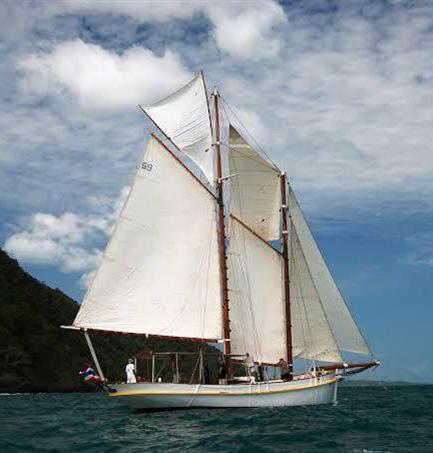
The Journal
Sailing advice, navigation craft, destination writing and the occasional long passage told properly.
Navigation · 28 April 2026
Reading unlit fishing floats, tidal sets around limestone islands and the discipline of a proper night watch.
Read the article →More writing
Destinations · 9 April 2026
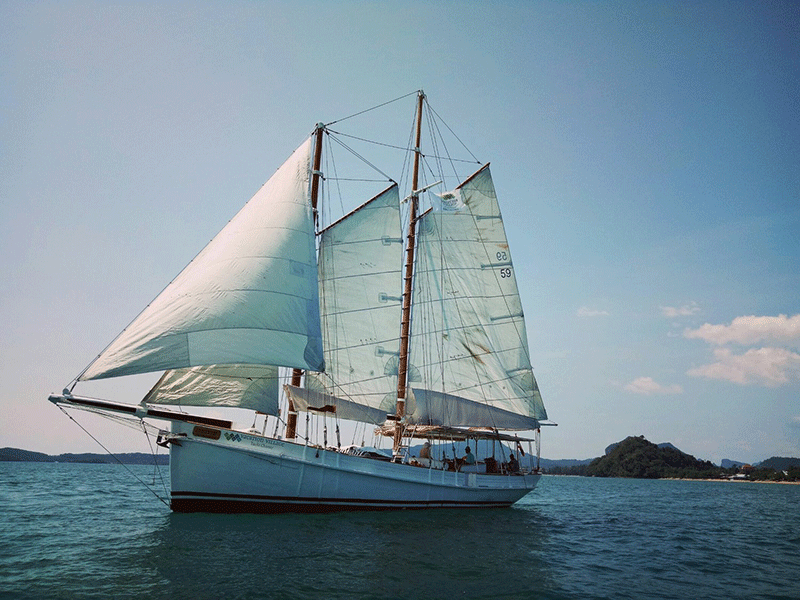
Where to drop the hook when the day boats leave, and how to be alone by sunset.
Advice · 21 March 2026
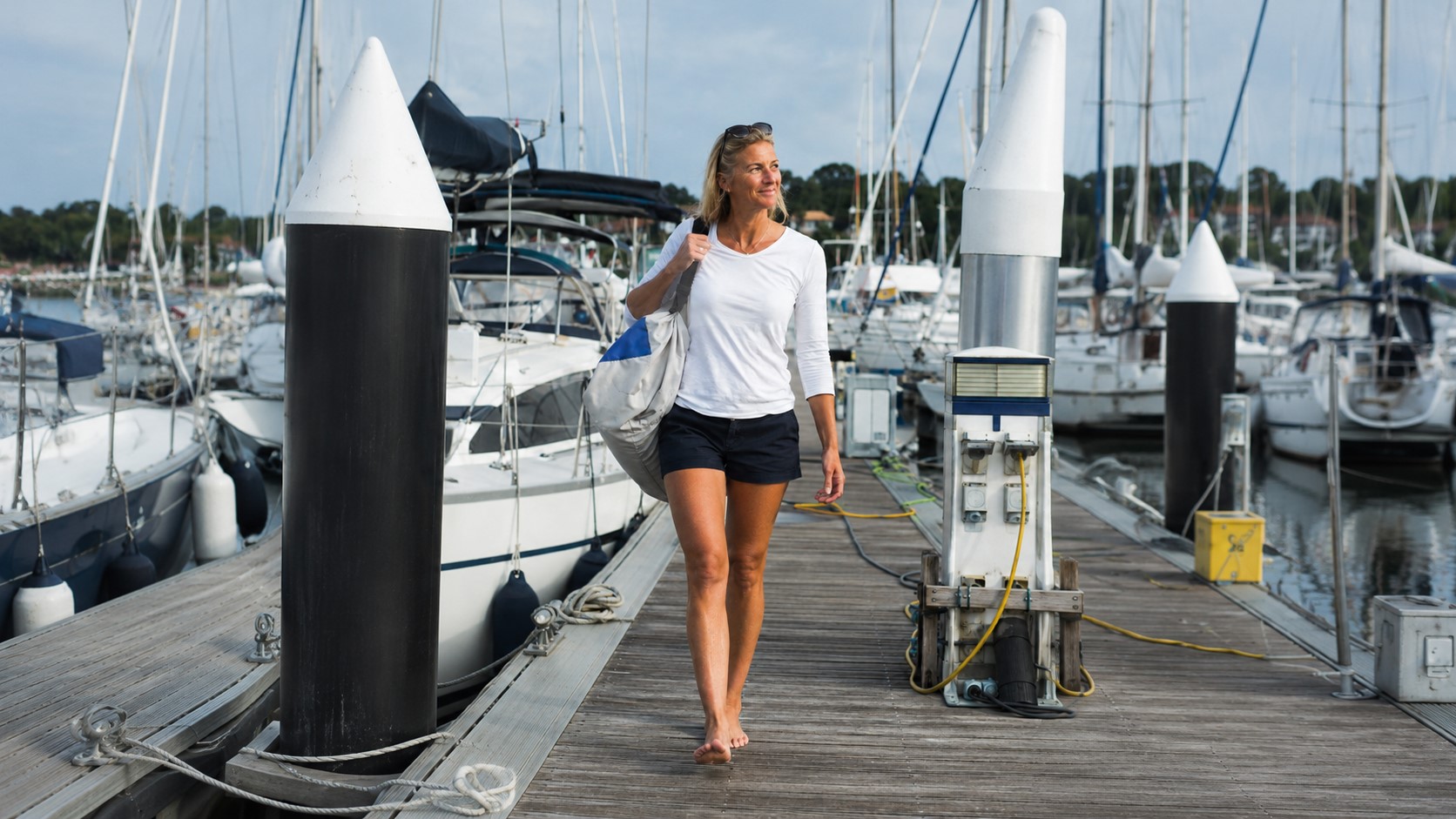
Soft bag, two pairs of shoes, and the two items our captains never sail without.
Adventures · 2 March 2026
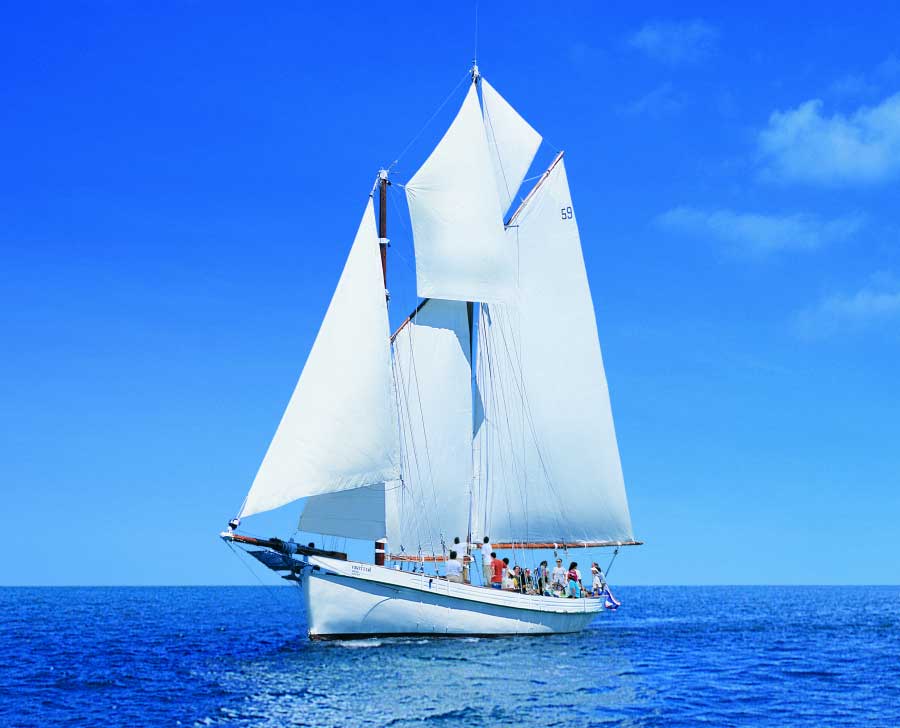
Watch rotations, squall lines and the strange calm of the fifth day at sea.
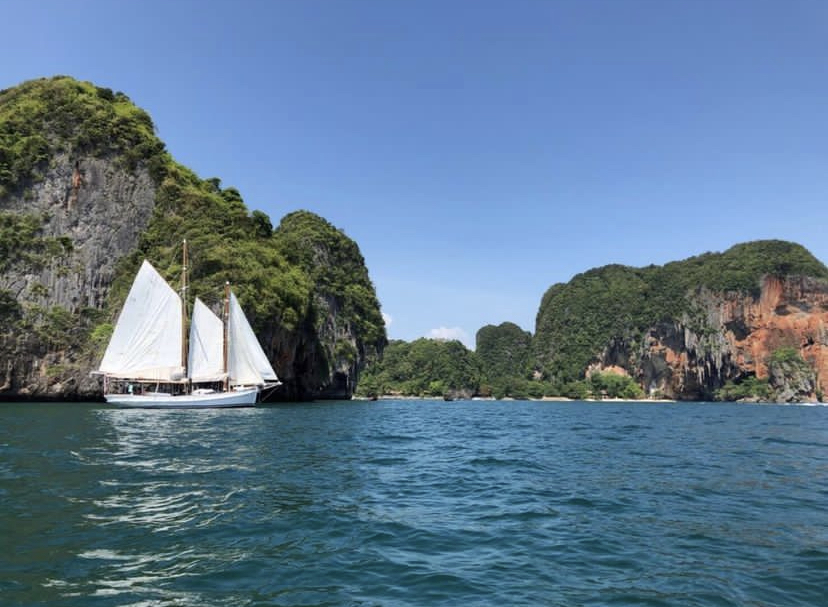
Advice · 14 February 2026
How to choose your first boat, your first cruising ground and your first crew.
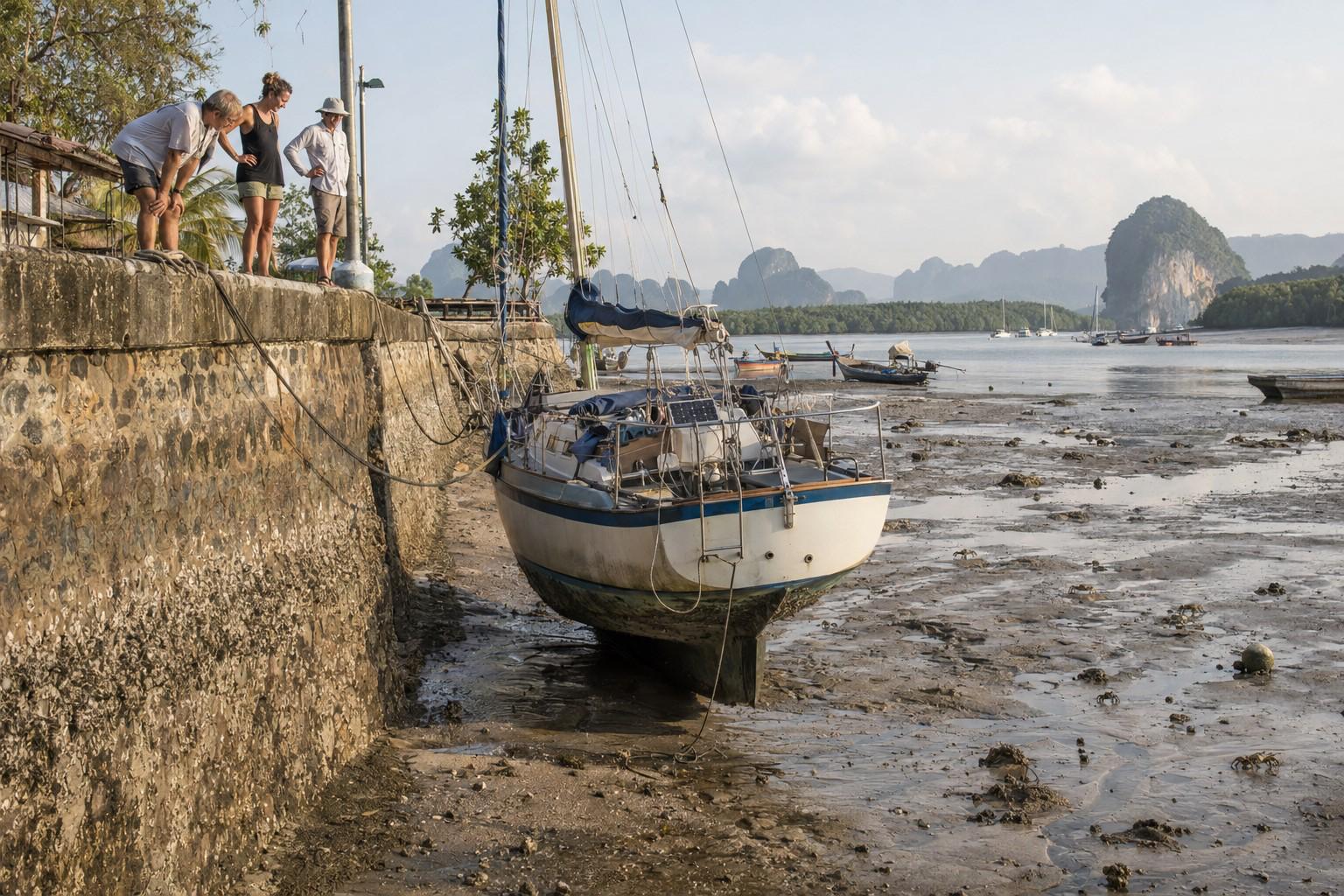
Miles Building · 12 September 2026
The short answer is yes: miles sailed in Thailand count towards the sea-time requirements for an RYA Yachtmaster Certificate of Competence. The RYA does not restrict qualifying mileage to the United Kingdom or Europe. What matters is the nature of the sailing, the vessel used, the candidate's role onboard and whether the experience is properly recorded.
What does the RYA require? The RYA states that at least 50% of the qualifying sea time should be gained in tidal waters and on vessels under 24 metres.
Are Thai waters tidal? Yes, the west coast of Thailand is considered tidal. We have tidal charts and a tidal range of around 3 metres. It is not quite the tidal range of 15 metres in the UK, which is where one of our founders, Jos, hails from. But it is still a lot more than, say, the Mediterranean Sea — and all miles are logged as tidal.
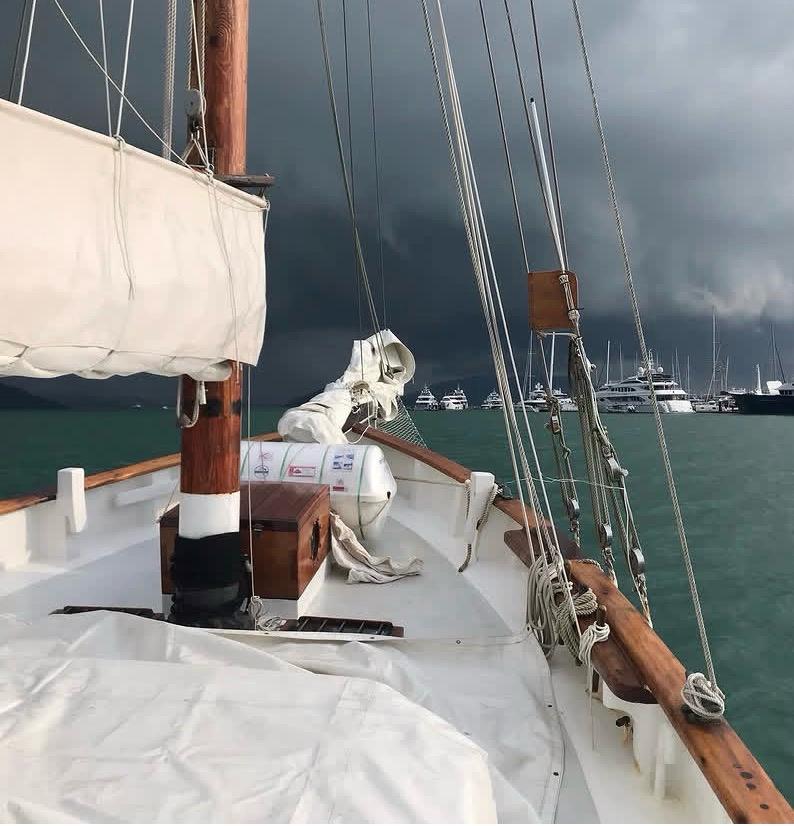
Destinations · 17 September 2026
The west coast of Thailand offers one of Southeast Asia’s most rewarding winter sailing grounds. From Phuket and Krabi to the islands of Phang Nga Bay, Koh Lanta, Koh Lipe, the Similan Islands and the Surin Islands, the region combines warm tropical weather with dramatic scenery and an exceptional variety of sailing conditions.
The principal Andaman sailing season extends from November until April, during Thailand’s northeast monsoon. For many sailors, the most settled period falls between December and March.
Thailand’s west coast is strongly influenced by two seasonal weather patterns: the dry northeast monsoon and the wetter southwest monsoon. In October and November, the northeast monsoon becomes established. The prevailing airflow arrives from the Asian continent and crosses the Thai peninsula before reaching the Andaman coast.
Because the west coast lies in the lee of the mainland, conditions generally become drier and more settled. Rainfall reduces, the prolonged southwest swell subsides and many of the coast’s most beautiful anchorages become accessible again.
December, January and February generally provide the most comfortable combination of weather and sea conditions.
The northeast monsoon does not necessarily deliver a constant northeast wind along the entire coast. Local geography has a considerable effect. Islands, headlands and high land can shelter one area while funneling the breeze through another. Coastal sea breezes may strengthen during the afternoon, while mornings can begin with light or variable winds. However, for the majority of the season the wind is offshore, allowing for fast exciting sailing along the coast and islands.
March and April remain within the recognized sailing season, but the character of the weather gradually changes. Temperatures and humidity rise as the northeast monsoon weakens. Winds may become lighter and more variable, with longer periods requiring patient sail handling or assistance from the engine. Afternoon cloud development and isolated thunderstorms become increasingly possible as the region approaches the next seasonal transition. By late April and into May, the southwest monsoon begins to return. Weather becomes less settled and the open Andaman coast becomes increasingly exposed to wind and swell arriving from the west.
Note: Seasonal descriptions are a general guide only. Tropical weather can change quickly, and current marine forecasts, warnings and local conditions always determine our final passage plan.
Press & Publications
Excerpts and features from the magazines and journals that have covered our voyages.
Featured excerpt
Night sailing in tropical waters can be magical. The feeling of peace brought about by sailing under bright constellations is often described as an ethereal experience. There is less light pollution, allowing for stargazing and the bioluminescent plankton in the water to glow.
But for this magic to be enjoyed safely, preparation and planning are vital. As with many regions in the world, unlit vessels, floating ghost nets and large semi-submerged logs add additional perils that need to be accounted for. Plan your route, revise your lights and Colregs — especially the lights you are likely to encounter on your planned route — keep a good watch, prepare the right clothing and food for the trip, including suitable life jackets and safety lines to clip on, and of course maintain your night vision.
Join Worldwide Sail on a mile building trip and at least one full night passage is included in your voyage.
Advice · 21 March 2026
Several of the staff at Worldwide Sail were asked what two essential items they would bring on a one-week sailing trip. The usual packing items — sunglasses, hat, soft-sided bag, long-sleeved UV top and a waterproof jacket — are on the list. However, a few of our captains who have clocked up thousands of miles on charter yachts and yacht deliveries around the world came up with a couple of items that are usually not listed.
1. A lightweight cotton sleeping bag liner. A good sleeping bag liner has been an essential piece of gear for most serious campers for years. On a sailing boat in the tropics it is even more useful. Nights can be warm and muggy, and a lightweight liner is usually enough when sleeping down below or on deck. It can be packed up quickly and dries quickly if it gets damp or wet.
2. A head torch with a red light. A head torch is a vital item for any outdoor adventure. It keeps your hands free and the LED bulbs last for weeks on one charge or battery. When sailing at night, maintaining your night vision is a top priority. A red light has a longer wavelength and causes less pupil constriction, allowing you to keep your night vision.
Worldwide Sail
Send us a note and we will help you pick the week that turns theory into miles.